


Creating a minimum viable product (MVP) within a tight timeframe of 30 days can be a formidable challenge yet a rewarding venture for startups. This guide will provide you with a structured roadmap to effectively develop and launch your MVP, ensuring that you can validate your business idea efficiently. The concept of an MVP is fundamentally about releasing a product with just enough features to attract early adopters and gather valuable feedback, which can then inform future iterations. By following this roadmap, not only can you ascertain market fit swiftly, but you can also minimize development costs and reduce unnecessary risks. We will explore key methodologies, prioritize features, outline testing strategies, and recommend essential tools to assist you in your MVP development journey.
What is a Minimum Viable Product and Why Build It in 30 Days?
A minimum viable product (MVP) is a version of a new product that includes only the essential features necessary to satisfy initial users. This approach focuses on quickly launching a product to test hypotheses and gather feedback for improvements. The benefit of building an MVP in 30 days lies in the ability to respond rapidly to market needs while conserving resources, allowing startups to pivot based on real user interactions rather than assumptions.
How Does the MVP Concept Accelerate Startup Product Validation?
The MVP concept significantly enhances product validation by enabling startups to gather critical feedback through direct user interaction at an early stage. This process helps to reveal genuine market insights, allowing entrepreneurs to discard or modify features according to user needs and preferences. Moreover, it minimizes the risk of failure by providing a framework for learning in quick iterations, which is essential for informed decision-making.
What Are the Differences Between MVP, Prototype, and Full Product?
Understanding the distinctions between an MVP, prototype, and full product is crucial for effective product development.
| Definition | Use Cases | Development Stages |
|---|---|---|
| MVP | Minimum functionality to validate concepts | Launch and feedback phase |
| Prototype | Visual mockups for testing concepts | Ideation and design phase |
| Full Product | Complete offering with all features | Final launch |
This table illustrates that while prototypes are essential in the early phase for concept testing, the MVP serves as a functional product that enables actual user feedback, setting the stage for future enhancements.
How to Integrate Lean Startup and Agile Methodologies in Your 30-Day MVP Build
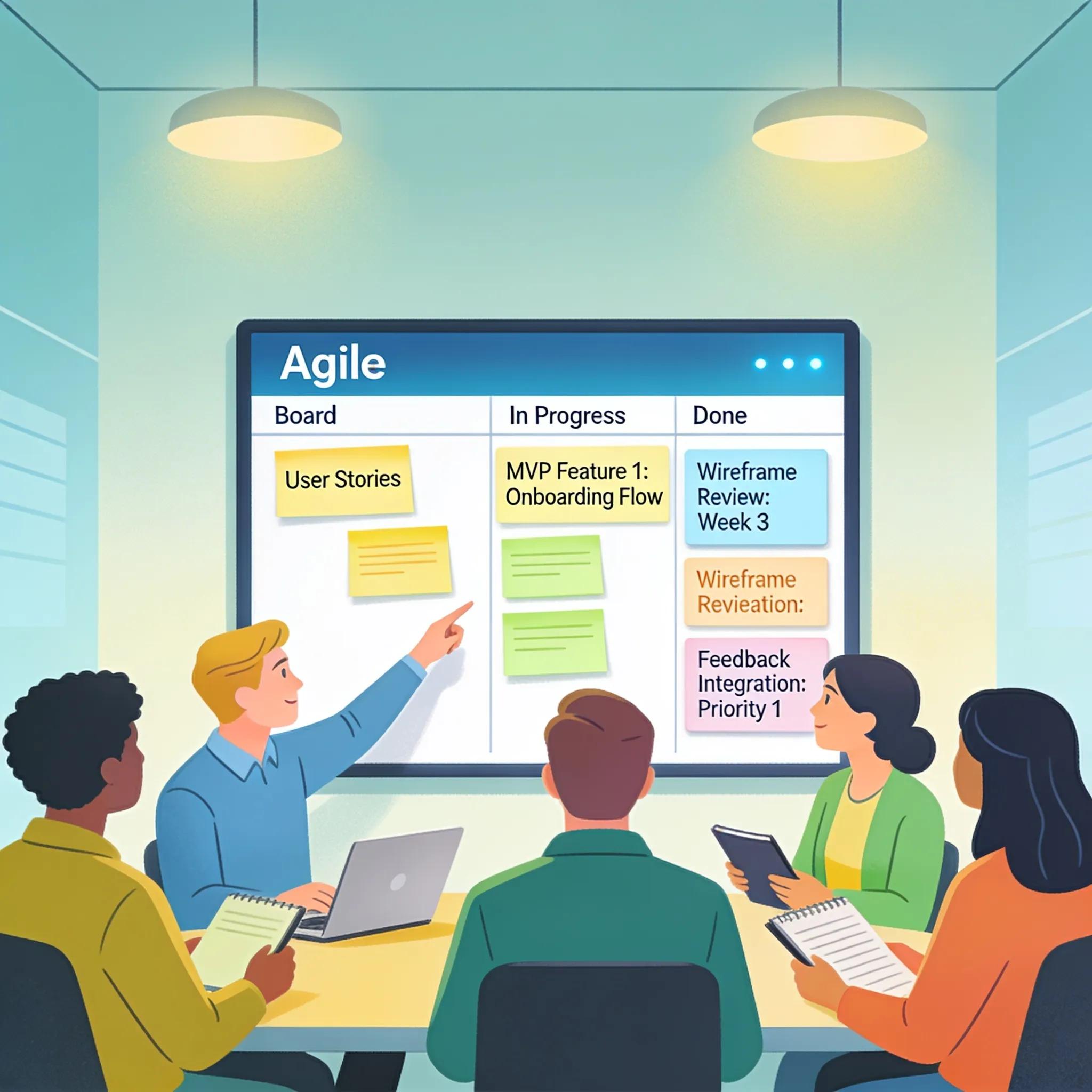
Incorporating Lean Startup principles and Agile methodologies into your MVP development process is vital for fostering innovation and ensuring adaptability. These methodologies promote a culture of rapid prototyping and iterative testing, allowing startups to develop products that better meet market demands.
What Are the Core Principles of Lean Startup for Rapid MVP Development?
The core principles of Lean Startup focus on validating learning through customer feedback, which revolves around the Build-Measure-Learn framework. By continually building small iterations of your product, measuring their performance in the market, and learning from feedback, you can pivot your strategy effectively. This iterative approach leads to products that are more closely aligned with customer expectations.
How Does Agile MVP Development Enable Rapid Prototyping and Iterative Feedback?
Agile MVP development emphasizes short development cycles, promoting quick changes based on user feedback. Teams collaborate in real-time, enabling swift adjustments to product features based on what works and what does not. This responsive methodology ensures that the final product evolves in line with user needs, enhancing overall market acceptance.
What Is the Step-by-Step Roadmap to Build an MVP in 30 Days?
Developing an MVP in 30 days involves a structured roadmap that breaks down the process into manageable phases. By adhering to a daily agenda, teams can stay focused and meet crucial milestones.
Which Features Should You Prioritize During Your MVP Product Roadmap?
When prioritizing features for your MVP, focus on the core functionalities that address the primary problem your product aims to solve. Conduct user needs analysis and competitive analysis to ascertain which features are essential for satisfying early adopters. Scoring these features based on user relevance and implementation complexity can assist in decision-making.
How Can You Structure Your Development Timeline to Meet the 30-Day Goal?
Creating a structured timeline is essential for achieving your 30-day goal. Allocate specific milestones for each phase, including ideation, development, testing, and launch. Implement a flexible approach that allows you to make necessary adjustments along the way. Resources should also be allocated efficiently to ensure project completion as planned.
How Much Does Building an MVP in 30 Days Typically Cost?
Understanding the cost implications of building an MVP is critical for effective budgeting. The overall cost can vary based on features, development resources, and market research necessities.
What Are the Cost Factors in Agile MVP Launch Strategy?
Several factors contribute to the cost of launching an Agile MVP, including development resources, market research costs, and technology investments. Specific expenses can arise from hiring developers, acquiring software tools, and conducting user studies. By getting detailed estimates for each component, you can create a more accurate financial plan.
How to Create a Cost-Efficient Budget for Rapid Prototype Development?
Developing a budget for your MVP should encompass all potential costs while focusing on maintaining efficiency. Utilizing budget templates can help streamline allocations to specific tasks, while cost-control techniques ensure that spending remains within limits. Furthermore, exploring available funding options can provide additional financial support.
Which Tools and Technologies Support Effective Agile MVP Development?
Selecting the appropriate tools and technologies is crucial for effective MVP development. Various software solutions can facilitate collaborative work, code management, and user feedback collection.
What Software Requirements and Platforms Accelerate MVP Prototyping?
Key software platforms such as project management tools, prototyping applications, and collaboration technologies play a crucial role in expediting the development process. These tools enable teams to work seamlessly, reducing the time required for iterations and improving overall efficiency.
How to Choose MVP Launch Tools That Fit Startup Product Validation Needs?
Choosing the right tools for your MVP launch involves evaluating their capabilities in enhancing product validation. Look for solutions that offer robust user feedback mechanisms, as integrating user insights during development can significantly influence product refinement.
How to Test and Validate Your MVP to Ensure Market Fit and Scalability?
Testing and validating your MVP is essential for ensuring product-market fit and scalability. Employing effective testing techniques enables startups to refine their offerings based on real-world data.
What Are Effective Testing and User Feedback Techniques for MVPs?
Effective testing techniques include A/B testing, user interviews, and surveys to gather insights. Engaging with early users provides vital feedback on functionality and design, helping you make informed adjustments before full market launch.
What Common Pitfalls Should You Avoid to Scale Your MVP Successfully?
Avoiding common pitfalls during MVP development is crucial for long-term success. Focus on establishing a clear value proposition, managing user expectations, and staying adaptable to feedback. Recognizing these challenges can prevent detrimental errors as you scale your product.